


Description
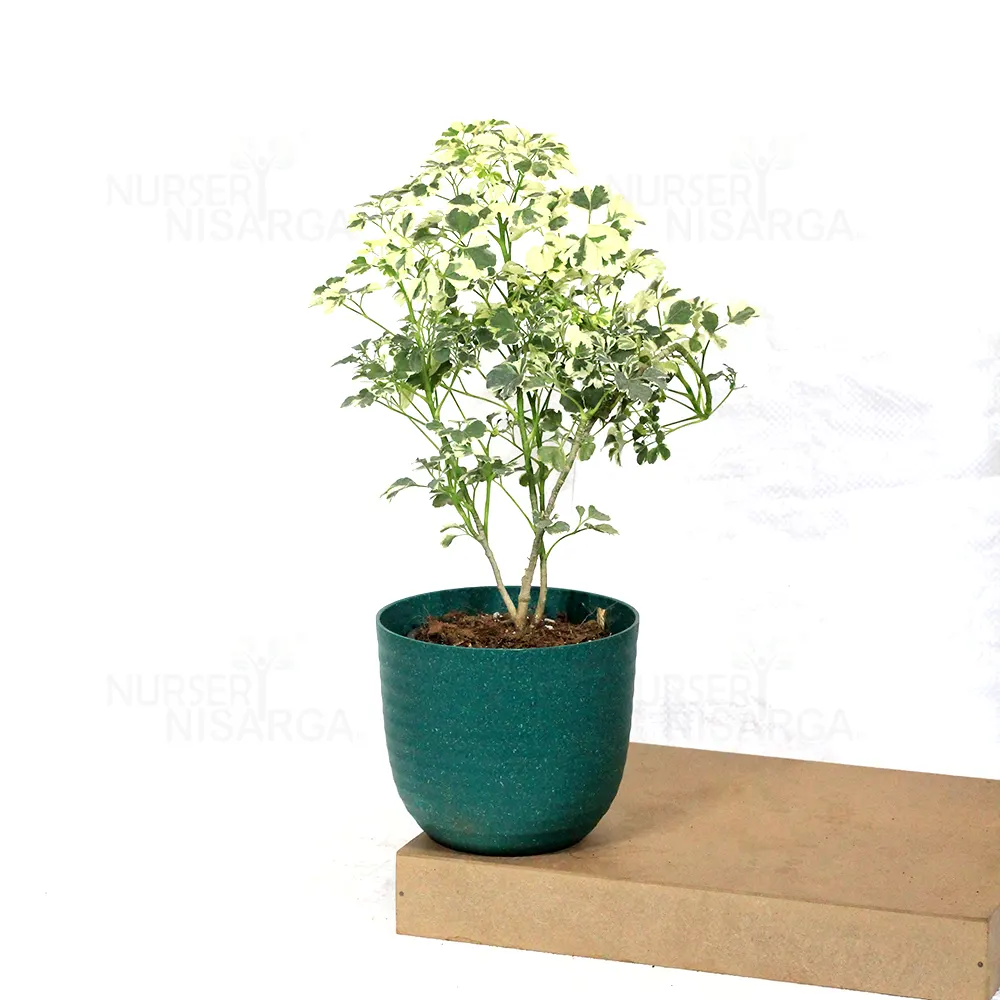
🌿 Polyscias fruticosa (Ming Aralia) – Detailed Description
🔍 Botanical Information
-
Scientific Name: Polyscias fruticosa
-
Common Names: Ming Aralia, Dwarf Aralia, Chinese Aralia
-
Family: Araliaceae
-
Origin: Southeast Asia and the Pacific Islands
🌱 Plant Characteristics
-
Growth Form: An upright, woody-stemmed shrub that can grow between 3 to 6 feet (90–180 cm) tall indoors; taller in tropical outdoor settings.
-
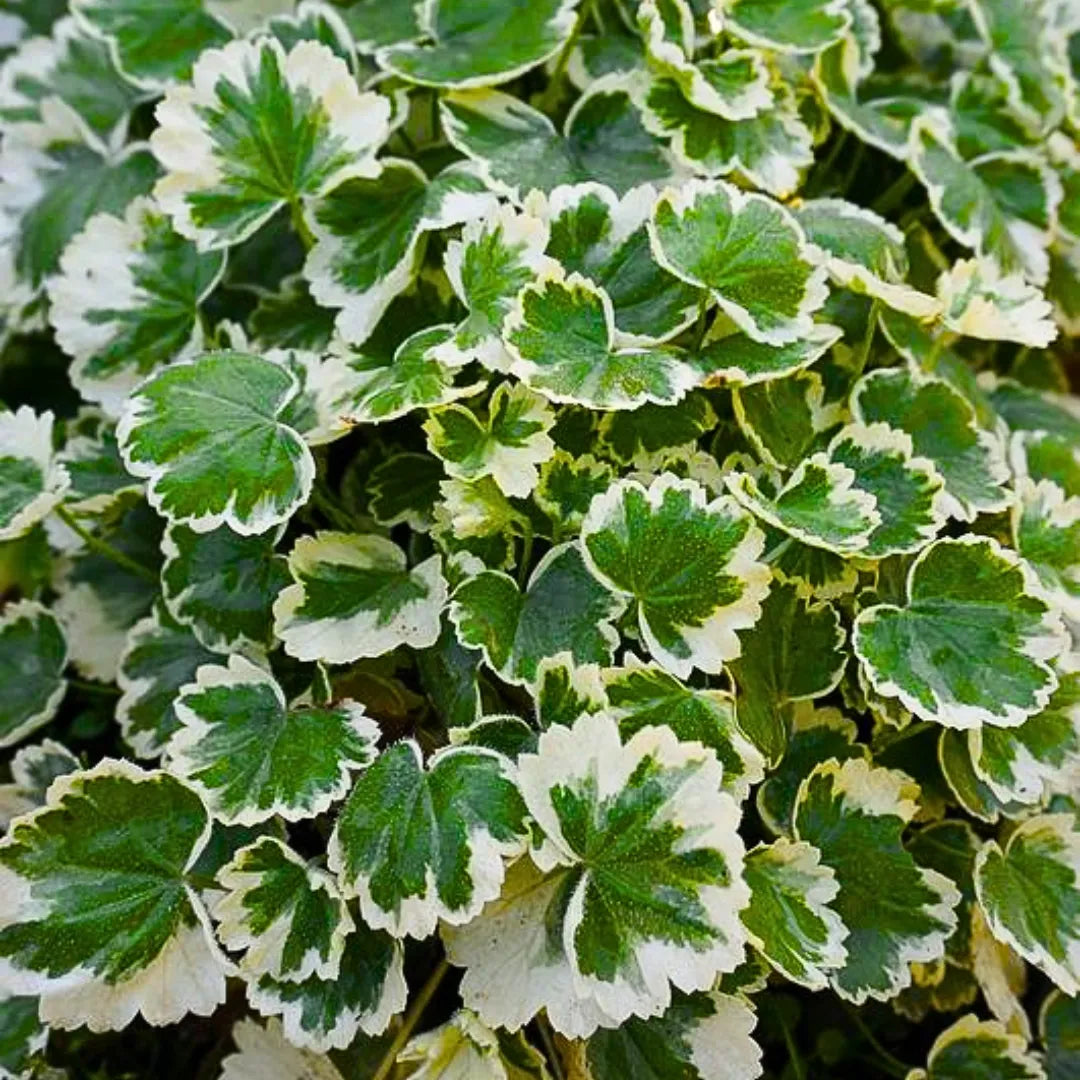
Leaves: Finely divided, feathery and fern-like, with deep green, glossy surfaces. The foliage gives the plant a delicate, elegant appearance.
-
Stems: Thin, upright, and brownish, with a bonsai-like quality. As the plant matures, it can develop a tree-like structure.
-
Growth Rate: Moderate; slower in lower light or cooler conditions.
🌞 Growing Requirements
| Requirement | Description |
|---|---|
| Light | Bright, indirect light is ideal. Can tolerate partial shade, but growth may slow and leaves may lose fullness. |
| Watering | Water when the top inch of soil feels dry. Keep soil evenly moist, but avoid overwatering to prevent root rot. Reduce watering in winter. |
| Humidity | Prefers moderate to high humidity. Mist regularly or place near a humidifier, especially in dry indoor environments. |
| Temperature | Thrives between 18°C–29°C (65°F–85°F). Not frost-tolerant; keep away from cold drafts or AC vents. |
| Soil | Requires a well-draining potting mix—a combination of peat, perlite, and compost works well. |
| Fertilizer | Feed monthly during spring and summer with a balanced, water-soluble fertilizer. No need to fertilize in winter. |
✂️ Maintenance Tips
-
Pruning: Regular pruning encourages bushiness and maintains shape. Remove dead or leggy stems.
-
Repotting: Repot every 2–3 years or when roots become crowded.
-
Pests/Diseases: Susceptible to spider mites, mealybugs, and scale insects, especially in low-humidity conditions. Wipe leaves and use neem oil or insecticidal soap if needed.
-
Propagation: Easily propagated through stem cuttings, preferably in spring or early summer.
🌟 Why Grow Polyscias fruticosa?
-
Adds a tropical, bonsai-like charm to interiors
-
Ideal for indoor decoration, offices, and shaded patios
-
Great for creating a natural privacy screen in pots
-
A visually striking alternative to ferns or palms

Reviews
There are no reviews yet.