


Description
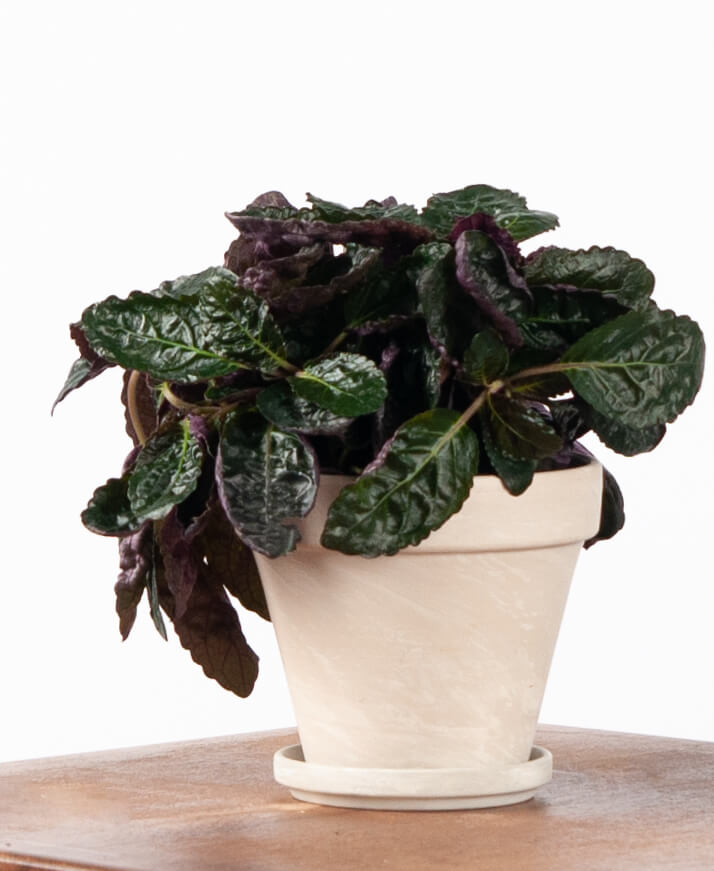
🌿 Purple Waffle Plant (Hemigraphis alternata) – Detailed Description
🔍 Overview
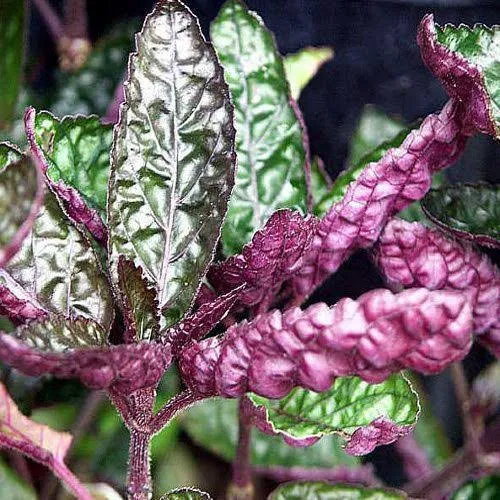
The Purple Waffle Plant is a popular ornamental foliage plant known for its rich purple undersides and textured, crinkled leaves that resemble the pattern of a waffle—hence the name. It’s admired for both its beauty and its air-purifying qualities, making it a favorite for indoor gardens, terrariums, and shaded outdoor spots.
🌱 Botanical Information
-
Scientific Name: Hemigraphis alternata
-
Common Names: Purple Waffle Plant, Red Flame Ivy, Metal Leaf
-
Family: Acanthaceae
-
Native To: Southeast Asia (particularly Indonesia and India)
-
Plant Type: Evergreen groundcover or low-growing houseplant
🍃 Foliage & Form
-
Leaves: Oval-shaped with deeply wrinkled, metallic green upper surfaces and vibrant purple undersides. The leaves grow in a spreading rosette pattern and have a distinctive waffle-like texture.
-
Height & Spread: Typically grows 6–8 inches tall and spreads up to 12–18 inches, making it a great groundcover or trailing plant in containers.
-
Flowers: Small, tubular, white to pale violet flowers may bloom in warm conditions, but the plant is primarily valued for its foliage.
🌞 Growing Conditions
| Condition | Details |
|---|---|
| Light | Prefers bright, indirect light. Too much direct sun may fade leaf color or cause scorching. It can tolerate lower light, but color vibrancy may diminish. |
| Watering | Needs consistently moist soil, but avoid waterlogging. Water when the top inch of soil feels slightly dry. |
| Humidity | Thrives in high humidity. Ideal for kitchens, bathrooms, or terrariums. If air is dry, mist regularly or use a humidity tray. |
| Temperature | Prefers warm temperatures between 18–27°C (65–80°F). Sensitive to cold; avoid temperatures below 15°C (60°F). |
| Soil | Use a well-draining potting mix rich in organic matter. A standard houseplant mix with some peat moss or coco coir works well. |
| Fertilizer | Feed once a month in the growing season (spring and summer) with a balanced liquid fertilizer diluted to half strength. Avoid over-fertilizing. |
✂️ Maintenance & Care
-
Pruning: Pinch or trim stems to encourage bushier growth and prevent legginess.
-
Repotting: Repot annually or when it becomes root-bound.
-
Pests/Diseases: Generally pest-resistant but can occasionally attract aphids or spider mites—especially in dry conditions.
-
Propagation: Easily propagated through stem cuttings. Simply snip a stem and root it in water or moist soil.
🌟 Benefits & Uses
-
Air Purifying: Known to help remove indoor toxins like formaldehyde.
-
Decorative Use: Excellent for hanging baskets, window sills, terrariums, or as groundcover in shaded gardens.
-
Low Maintenance: With basic care, it’s a resilient and forgiving plant.
Reviews
There are no reviews yet.