


Description
🌿 Henna Plant (Lawsonia inermis) – Detailed Description
The Henna plant, also known as Lawsonia inermis, is a tall, flowering shrub native to North Africa, the Middle East, and South Asia. It is best known for its leaves, which are dried and ground into a fine powder used to produce natural dye, most commonly for body art (mehndi) and hair coloring.
🍃 Appearance:
-
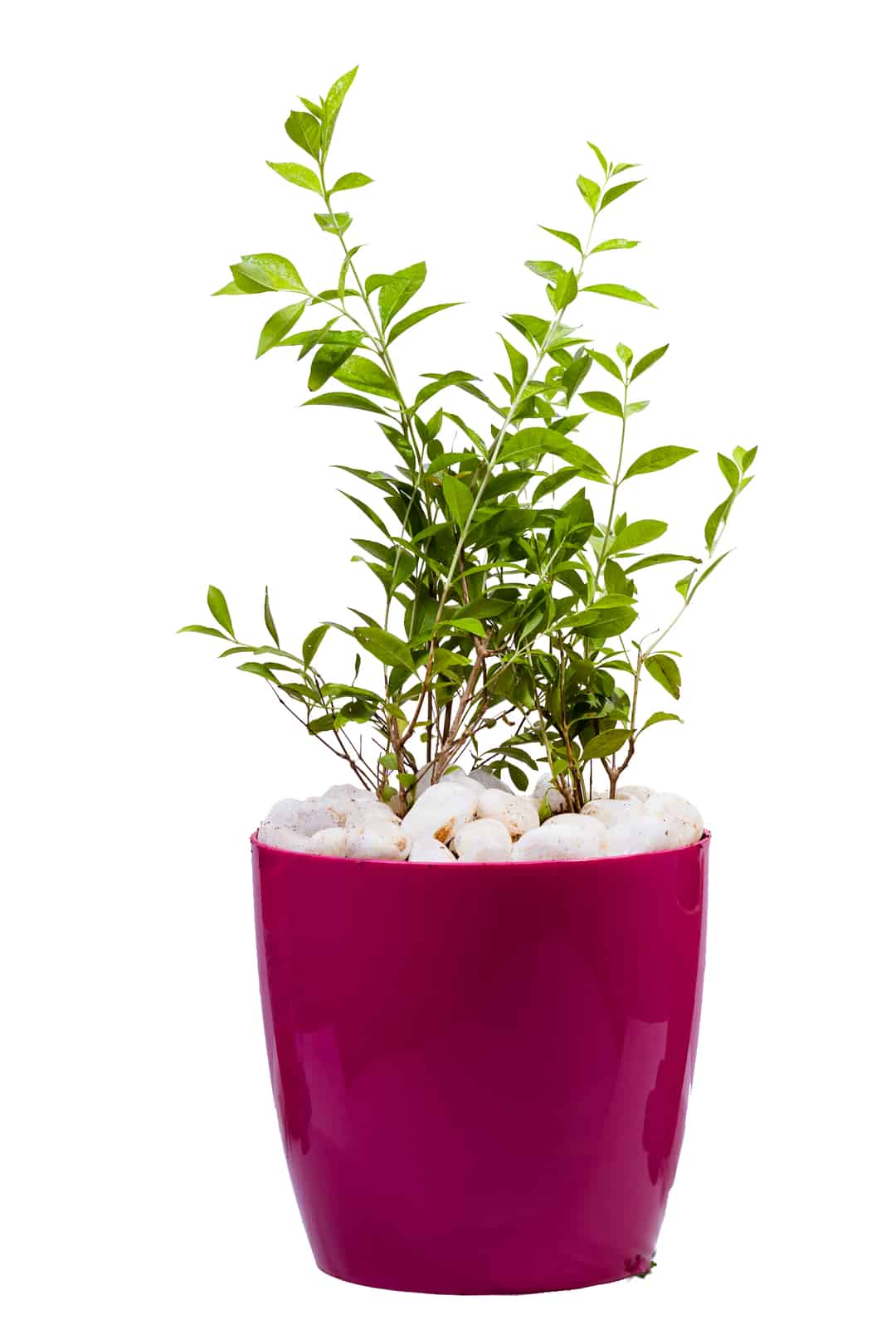
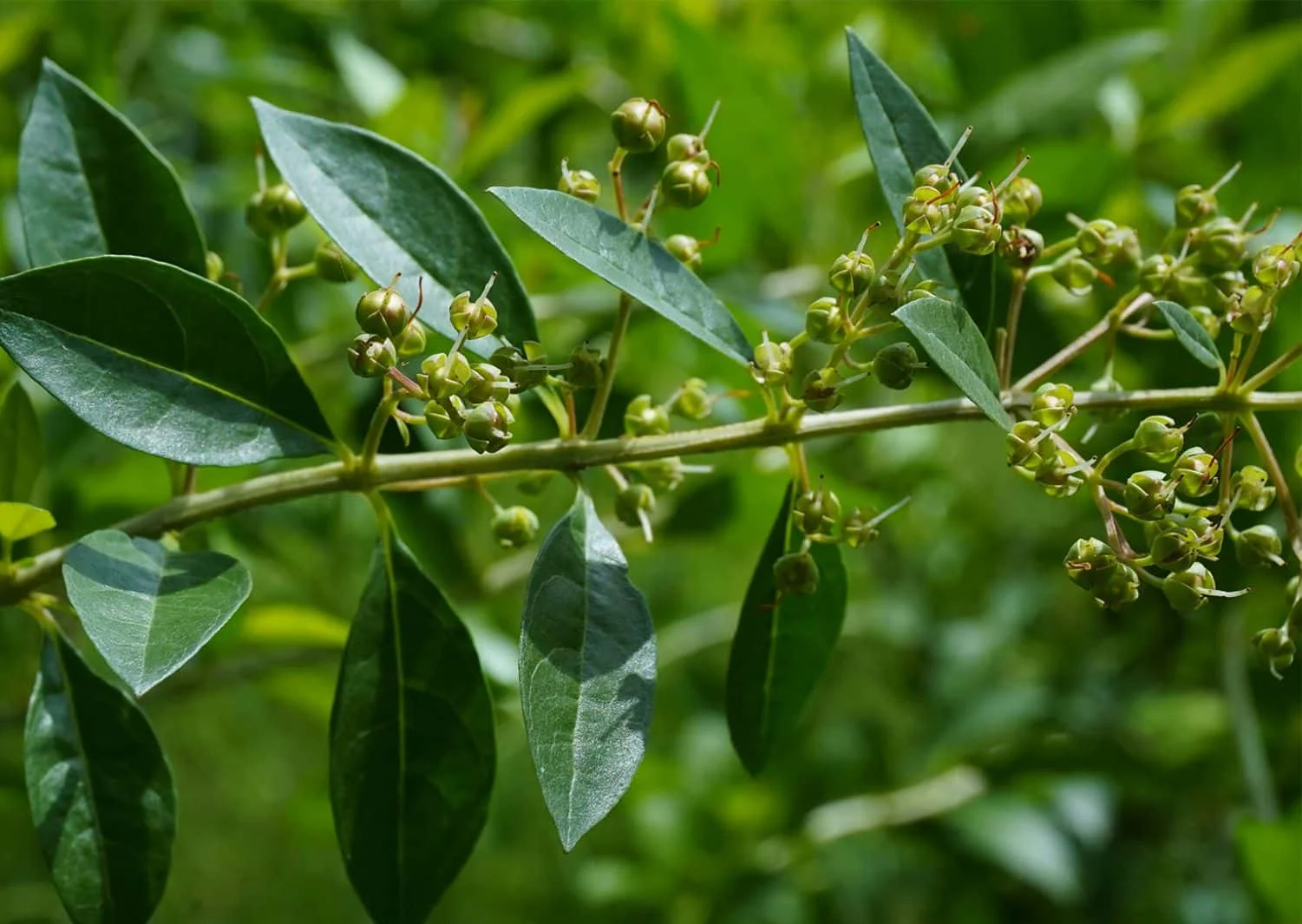
Leaves: Small, green, oval-shaped leaves that are rich in a natural pigment called lawsone—responsible for the reddish-brown dye.
-
Flowers: Tiny, fragrant flowers in white or pink, blooming in clusters.
-
Stem: Woody and often spiny.
-
Size: Grows as a shrub or small tree, typically 6–20 feet tall.
☀️ Light Requirements:
-
Requires full sunlight for optimal growth and pigment production.
-
Performs best in hot, dry climates.
💧 Watering & Soil:
-
Drought-tolerant once established.
-
Grows in well-drained, sandy or loamy soils.
-
Water sparingly; overwatering can harm the plant.
🌡️ Temperature & Climate:
-
Thrives in hot, arid to semi-arid regions.
-
Sensitive to frost and prolonged cold.
🌿 Uses:
-
Cosmetic: Leaves are processed into henna dye used for:
-
Temporary body art (mehndi).
-
Natural hair dye and conditioner.
-
-
Medicinal: Traditionally used for cooling the body, treating skin conditions, and in folk remedies.
-
Cultural: Plays an important role in weddings, festivals, and traditional ceremonies in many cultures.
🌸 Summary:
The Henna plant is a hardy, sun-loving shrub prized for its dye-producing leaves. Valued across cultures for beauty, tradition, and natural care, it is both a useful and symbolic plant with rich historical significance.
Reviews
There are no reviews yet.