


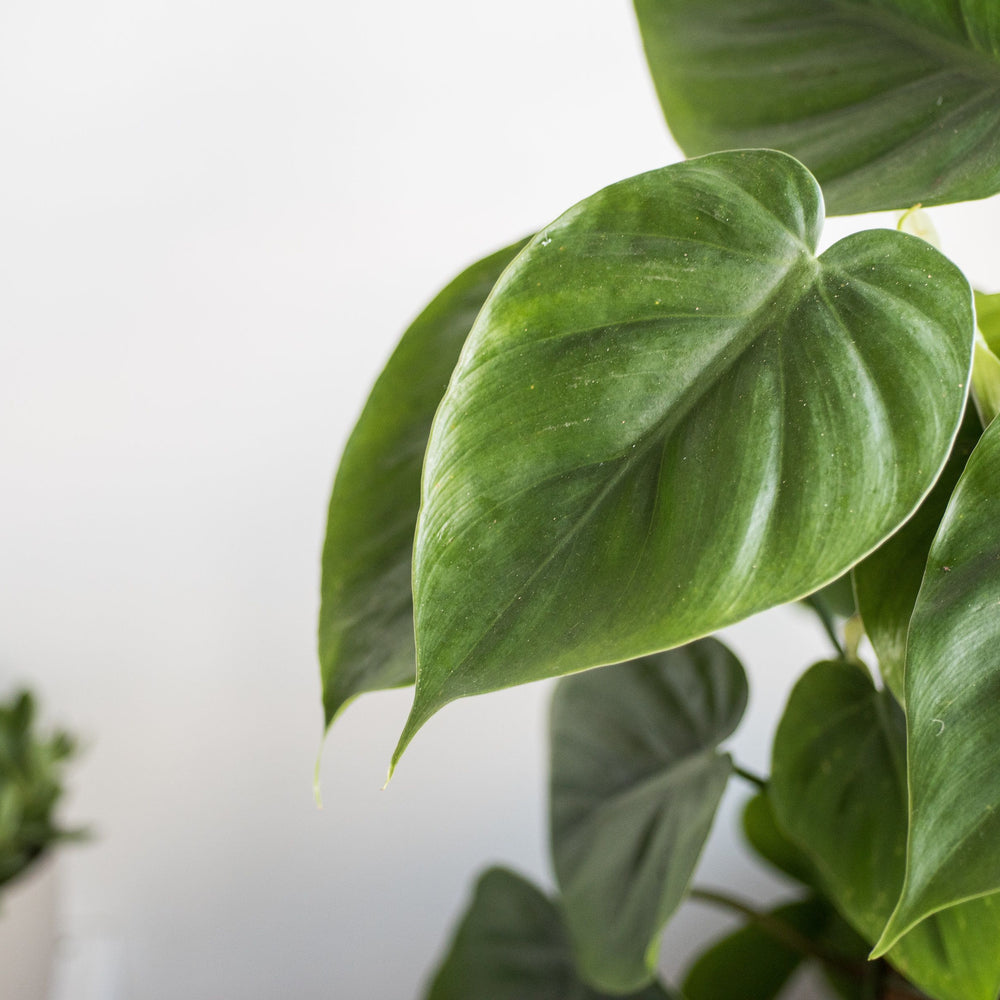

Description
🌿 Philodendron – Detailed Description
🔍 Botanical Background
-
Scientific Name: Philodendron spp.
-
Family: Araceae (Arum family)
-
Origin: Tropical regions of Central and South America
-
Number of Species: Over 450 species, including climbing and self-heading types
-
Name Meaning: From Greek — “philo” (love) and “dendron” (tree), meaning “tree lover”
🌱 Physical Characteristics
| Feature | Description |
|---|---|
| Leaves | Large, glossy, often heart-shaped or deeply lobed; may be smooth-edged or split. Leaf color ranges from deep green to variegated patterns (green, yellow, cream, or even pink in rare cultivars). |
| Growth Habit | Two main types: Climbing (vining) and Self-heading (non-climbing). Vining varieties use aerial roots to climb trees or supports. |
| Stems | Vines may have long, flexible stems with aerial roots; non-vining types grow from a central base. |
| Flowers | Rare indoors; when present, flowers are spathe-and-spadix structures typical of the Araceae family. |
🌞 Care Requirements
| Aspect | Details |
|---|---|
| Light | Prefers bright, indirect light; tolerates low light but grows slower. Avoid direct sun, which can scorch leaves. |
| Watering | Keep soil lightly moist, but never soggy. Water when the top inch of soil feels dry. Overwatering causes root rot. |
| Humidity | Thrives in moderate to high humidity. Mist occasionally or use a pebble tray/humidifier if the air is dry. |
| Temperature | Ideal range: 18–27°C (65–80°F). Avoid cold drafts or temps below 12°C (55°F). |
| Soil | Use a well-draining, rich potting mix—a mix of peat, perlite, and orchid bark is ideal. |
| Fertilizing | Feed every 4–6 weeks in spring and summer with a balanced liquid fertilizer diluted to half strength. |
🌿 Popular Philodendron Varieties
| Variety | Description |
|---|---|
| Heartleaf (P. hederaceum) | Vining; heart-shaped leaves; easy-care classic. |
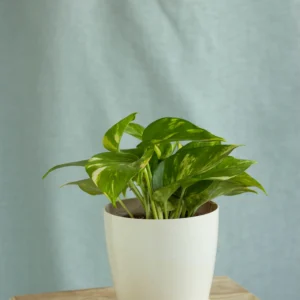
| Philodendron Brasil | Variegated version of Heartleaf with green and yellow stripes. |
| Philodendron Xanadu | Compact, self-heading with deeply lobed leaves. |
| Philodendron Birkin | Upright plant with striking white pinstripes on dark green leaves. |
| Philodendron Selloum (Tree Philodendron) | Large, lobed leaves; grows into a full, bushy plant. |
| Philodendron Pink Princess | Rare; dark leaves with pink variegation. Collectible. |
⚠️ Common Issues
| Problem | Cause | Solution |
|---|---|---|
| Yellowing leaves | Overwatering or poor drainage | Let soil dry out more between waterings |
| Brown tips | Low humidity or underwatering | Increase humidity, check watering frequency |
| Leggy growth | Too little light | Move to a brighter spot (indirect sunlight) |
| Leaf curling | Underwatering or pests | Water thoroughly and inspect for insects |
🌟 Why Philodendrons Are Popular
-
Extremely low-maintenance
-
Great for beginners
-
Effective air purifiers
-
Beautiful, tropical aesthetic for homes and offices
-
Easy to propagate via stem cuttings
Reviews
There are no reviews yet.