

Description
🌿 Normal Large Snake Plant – Detailed Description
🔍 Overview
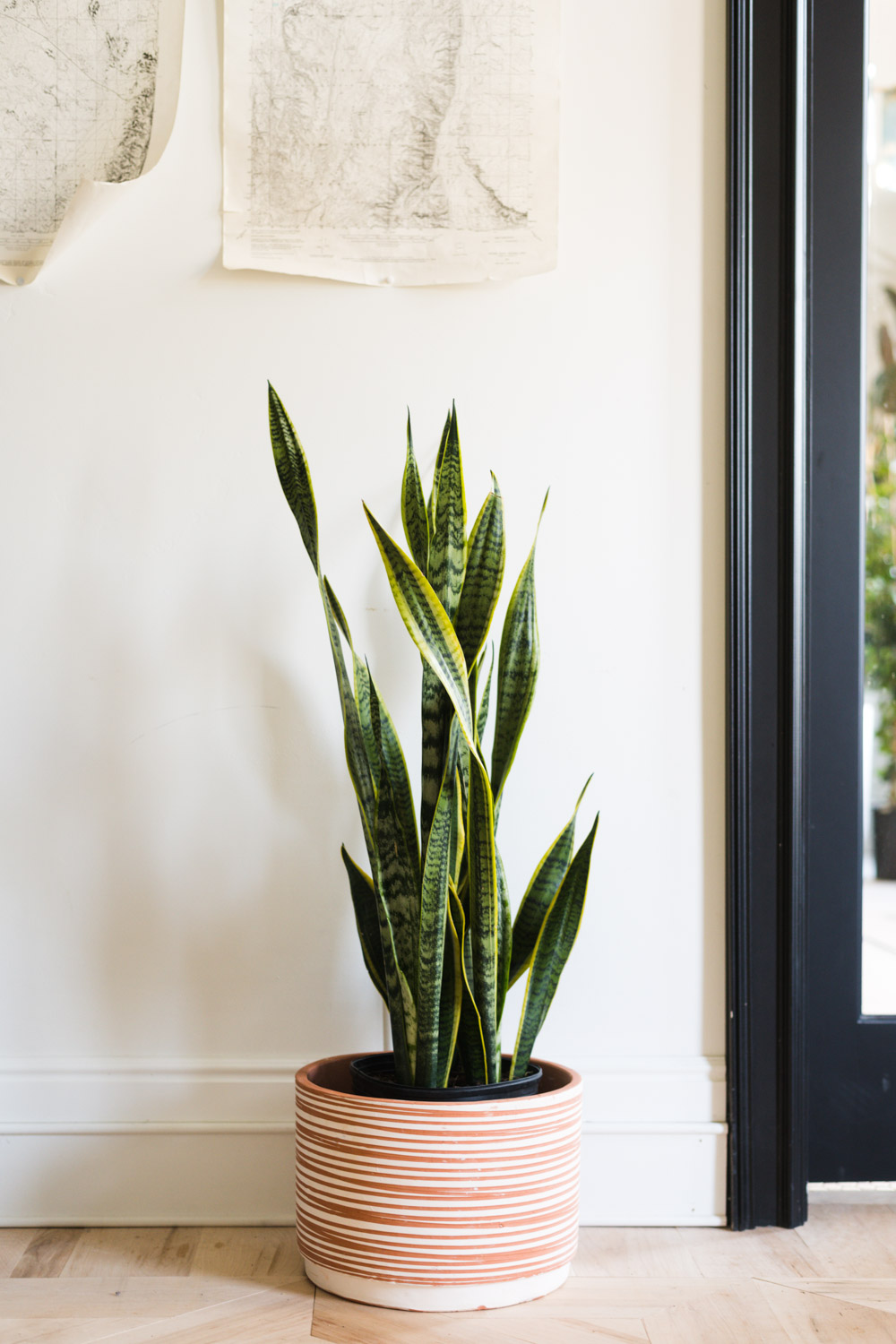
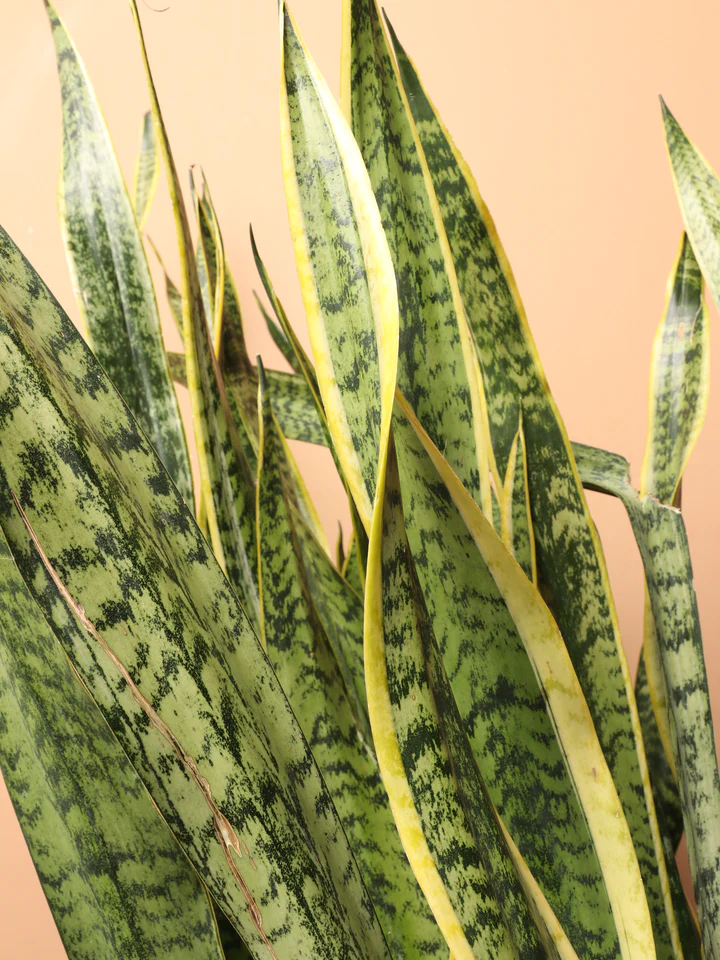
The Normal Large Snake Plant, commonly known as Sansevieria trifasciata, is a popular and resilient indoor plant prized for its tall, stiff, upright leaves. These sword-like leaves typically feature dark green centers with lighter green horizontal stripes and often have yellow margins. Its striking architectural form and ease of care make it a staple in homes and offices worldwide.
🌱 Botanical Information
-
Scientific Name: Sansevieria trifasciata
-
Common Names: Snake Plant, Mother-in-Law’s Tongue
-
Family: Asparagaceae
-
Origin: Native to West Africa
-
Plant Type: Evergreen perennial succulent
🍃 Plant Characteristics
| Feature | Description |
|---|---|
| Leaves | Tall, rigid, upright leaves growing from the base. Leaves can reach 2 to 4 feet tall in mature plants. They are dark green with lighter green horizontal stripes and often edged with yellow or cream. |
| Growth Habit | Clumping, rosette form with dense leaf clusters. Leaves grow vertically, creating a bold architectural shape. |
| Flowers | Rarely flowers indoors; when they do, the flowers are small, tubular, and cream-colored with a pleasant scent. |
🌞 Growing Conditions
| Requirement | Details |
|---|---|
| Light | Adaptable to a wide range from low light to bright indirect light. Bright indirect light promotes the best growth and color. Avoid direct harsh sunlight which can scorch leaves. |
| Watering | Water moderately; allow the top inch or two of soil to dry out before watering again. Overwatering can cause root rot. Reduce watering in winter. |
| Temperature | Prefers temperatures between 18–27°C (65–80°F). Protect from cold drafts and temperatures below 10°C (50°F). |
| Humidity | Tolerates average indoor humidity levels. No special requirements. |
| Soil | Well-draining soil is essential. Use a succulent or cactus potting mix. |
| Fertilizer | Feed once a month during the growing season with a balanced, diluted houseplant fertilizer. |
✂️ Maintenance & Care
-
Pruning: Remove any damaged, yellow, or dead leaves to maintain appearance.
-
Repotting: Repot every 2–3 years or when root-bound, using fresh soil.
-
Propagation: Easily propagated by division or leaf cuttings.
-
Pests/Diseases: Generally pest-resistant but can occasionally attract spider mites or mealybugs. Root rot is the main concern from overwatering.
-
Toxicity: Sap is mildly toxic if ingested; keep away from pets and children.
🌟 Benefits & Uses
-
Excellent air-purifying plant, filtering toxins like formaldehyde and benzene.
-
Extremely low-maintenance, suitable for beginners.
-
Adds height, texture, and greenery to interiors.
-
Works well in modern, minimalist, and traditional décor styles.
Reviews
There are no reviews yet.