

Description
🌿 Snake Plant (Silver Queen) – Detailed Description
🔍 Overview
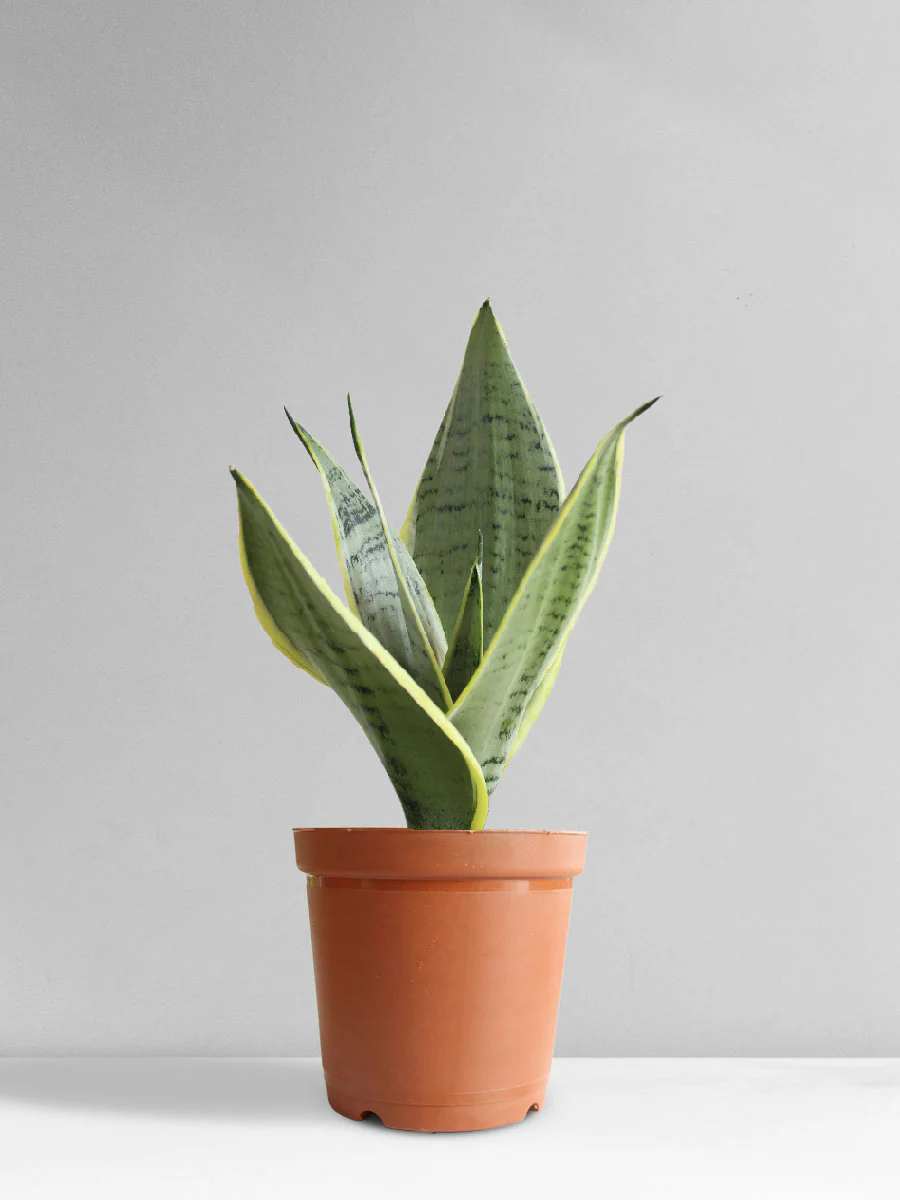
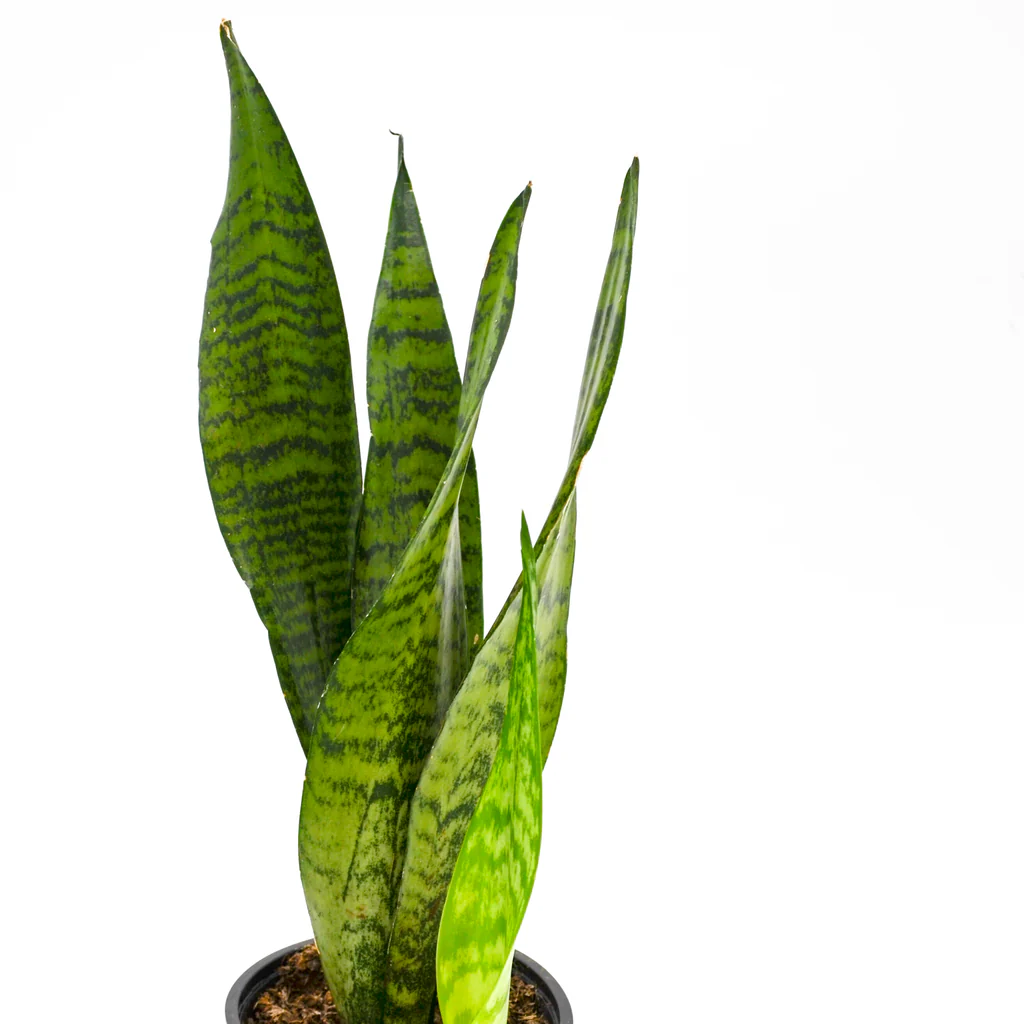
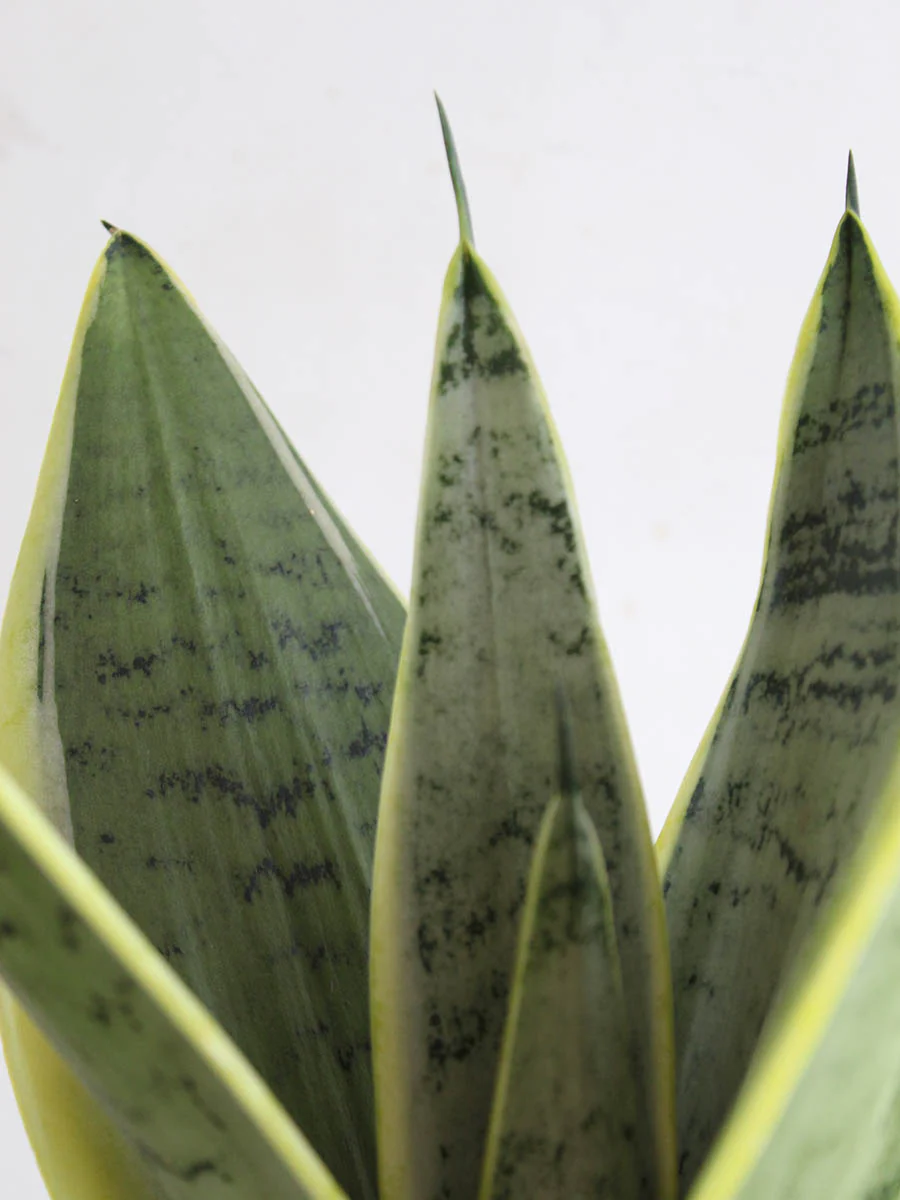
The Snake Plant (Silver Queen), scientifically known as Sansevieria trifasciata ‘Silver Queen’, is a popular and striking cultivar of the Snake Plant family. It is prized for its upright, sword-shaped leaves with unique silver-gray horizontal bands contrasted by dark green margins, giving it a sleek and modern look. This hardy plant is well-loved for its low maintenance, tolerance to a wide range of indoor conditions, and excellent air-purifying properties.
🌱 Botanical Information
-
Scientific Name: Sansevieria trifasciata ‘Silver Queen’
-
Common Names: Snake Plant, Mother-in-Law’s Tongue, Silver Queen
-
Family: Asparagaceae
-
Origin: Native to West Africa
-
Plant Type: Evergreen perennial succulent
🍃 Plant Characteristics
| Feature | Description |
|---|---|
| Leaves | Tall, stiff, upright leaves that grow vertically. They are marked by silvery-gray horizontal bands with contrasting dark green edges, creating a striking striped pattern. Leaves can grow up to 2–3 feet tall indoors. |
| Growth Habit | Clumping rosettes of leaves emerge from thick rhizomes, forming dense, architectural foliage. |
| Flowers | Rarely flowers indoors; produces small, fragrant, greenish-white tubular flowers in outdoor or ideal conditions. |
🌞 Growing Conditions
| Requirement | Details |
|---|---|
| Light | Tolerates a wide range from low light to bright indirect light. Bright, indirect light enhances leaf color, but it can survive in dimmer spots. |
| Watering | Water sparingly. Allow soil to dry out completely between waterings. Overwatering can cause root rot. In winter, reduce watering frequency. |
| Humidity | Adaptable to typical indoor humidity levels. No special humidity requirements. |
| Temperature | Prefers temperatures between 18–27°C (65–80°F). Protect from frost and cold drafts; avoid temperatures below 10°C (50°F). |
| Soil | Use a well-draining potting mix, such as a cactus or succulent mix. Good drainage is essential. |
| Fertilizer | Feed with a balanced, diluted houseplant fertilizer once a month during the growing season (spring and summer). No feeding during winter. |
✂️ Maintenance & Care
-
Pruning: Remove any damaged or yellowing leaves to keep the plant tidy.
-
Repotting: Repot every 2–3 years or when root-bound.
-
Propagation: Easily propagated by dividing rhizomes or leaf cuttings.
-
Pests/Diseases: Generally pest-resistant, but can be affected by mealybugs or spider mites. Root rot may occur if overwatered.
-
Toxicity: Toxic if ingested by pets and humans; handle with care.
🌟 Benefits & Uses
-
One of the best air-purifying plants, known to filter toxins like formaldehyde and benzene.
-
Extremely low-maintenance and resilient.
-
Adds a modern, architectural accent to homes and offices.
-
Suitable for beginners or anyone with a busy lifestyle.

Reviews
There are no reviews yet.